.svg)






 Canada (EN)
 Global (EN)



The Centre for Addiction and Mental Health (CAMH) defines workplace burnout as “a state of emotional, physical, and mental exhaustion caused by excessive and prolonged stress.”
Research puts numbers to what HR leaders are already seeing: 36% of Canadian workers report being more burned out than a year ago, with heavy workloads, poor manager support, and toxic culture as the top causes. This creates a clear and direct impact on businesses. Mental health issues are the most common driver of short- and long-term disability claims, and the most disabling illness among employees aged 18 to 44.
For HR leaders, this isn’t just a well-being concern. It’s a workforce sustainability challenge. Knowing this, what can you do to prevent employee burnout before it escalates to a leave of absence?
What workplace burnout actually looks like
Burnout develops slowly, often masked by productivity and dedication. By the time it’s obvious, it’s already costly.
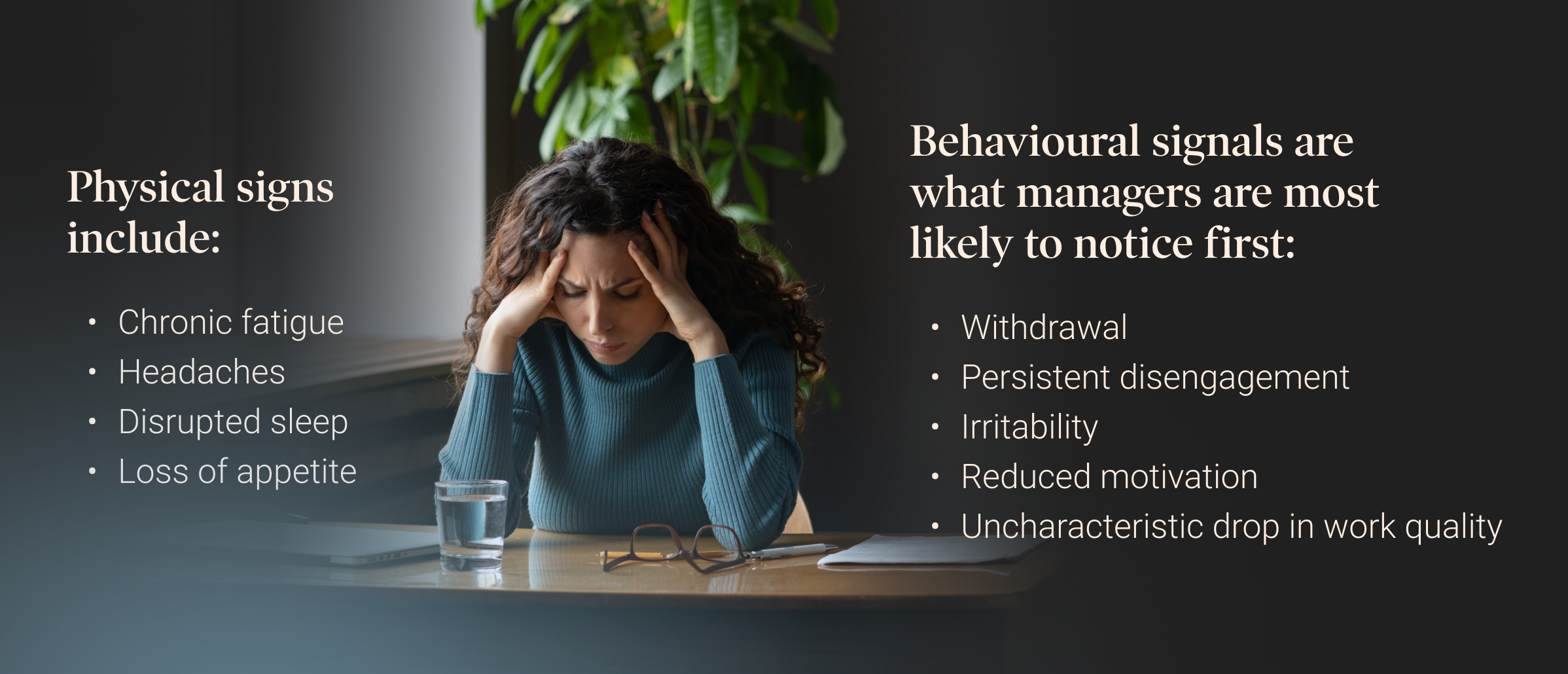
Watch for patterns rather than isolated incidents. When changes in mood, motivation, or work quality persist over two to four weeks, that's worth a direct conversation.
Why employees burn out
Some common risk factors include:
-
Overwhelming workload
-
Poor work-life balance
-
Communication issues
-
Lack of support or recognition
-
Negative interpersonal dynamics
For people to stay healthy and productive, three fundamental psychological needs must be met at work:
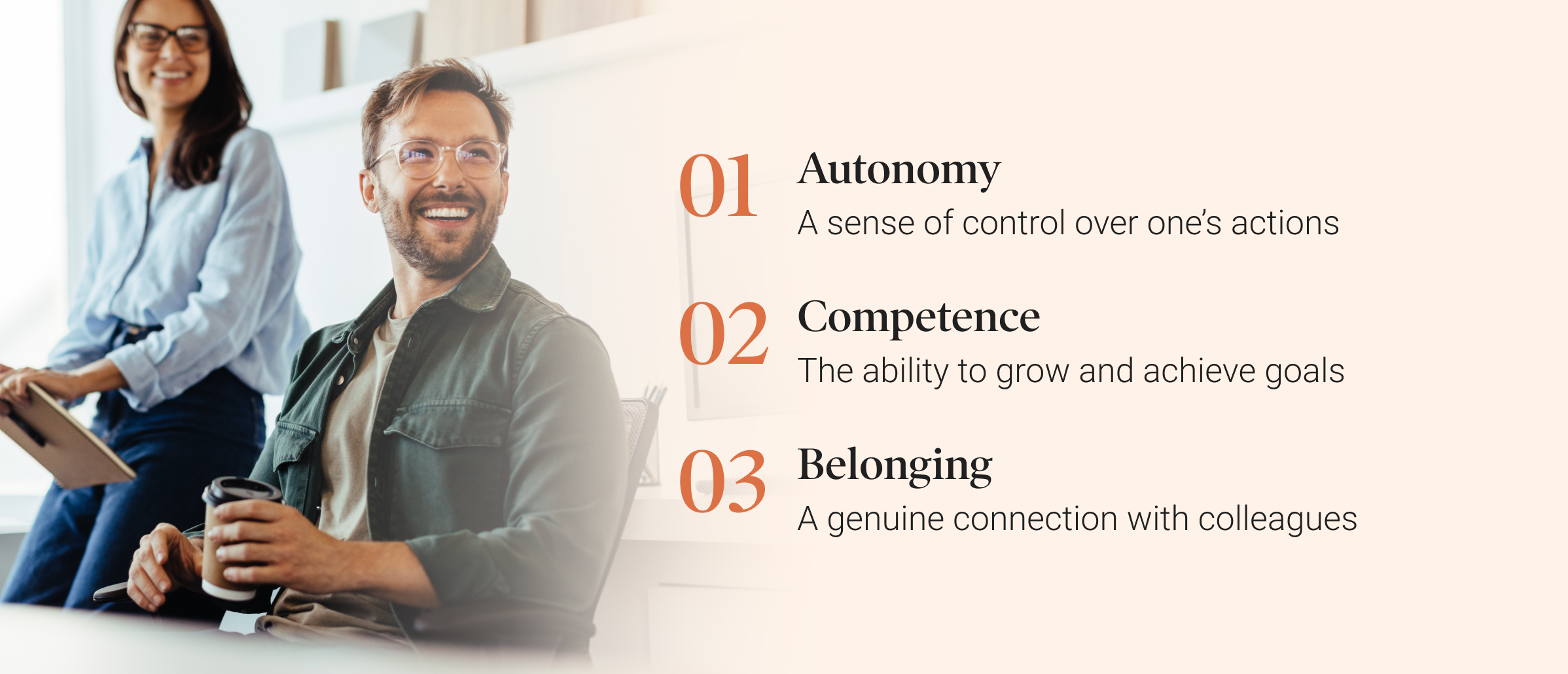
When these needs aren’t met, stress compounds and burnout follows.
The Job Demands–Resources Theory offers a complementary lens. It shows that engagement stays healthy when job resources like autonomy, feedback, and social support are in balance with job demands like tight deadlines and high cognitive load. When demands consistently outstrip resources, even your most motivated employees become depleted. The JD-R framework is practical because it shifts the question from “who burned out?” to “what created the conditions for burnout?” These conditions can be changed and controlled by people leaders.
Five evidence-based strategies to prevent workplace burnout
1. Create psychological safety
Psychological safety is one of the strongest predictors of high-performing, resilient teams. It means people feel safe to speak up to flag a concern, admit a mistake, or ask for help without fear of blame or negative consequences.
For managers, it starts with how they respond when someone raises an issue:
-
Thank them, even if it’s uncomfortable.
-
Admit your own mistakes openly.
-
Invite input before making decisions that affect the team.
-
Ensure team feedback visibly leads to change, reinforcing that speaking up is worth it.
Creating psychological safety isn’t about avoiding accountability. It’s about ensuring people can engage honestly within a culture of accountability, which is far more effective than one built on fear.
2. Implement short, structured check-ins with your teams
One-on-one check-ins can have a powerful impact. They create a consistent channel for employees to raise any concerns and ask questions, helping leaders identify early warning signs before they escalate. For remote and hybrid teams, this matters even more. Without in-person cues, misunderstandings accumulate, and isolation sets in quietly.
In these check-ins, go beyond project updates. Include questions like, “How’s your energy this week?” or “What’s feeling manageable or heavy right now?”
3. Normalize stress and model recovery
Leaders set the tone. When you demonstrate awareness of your own limits, take breaks, set boundaries, and are transparent about stress, your team feels permitted to do the same.
Apply these practical tips:
-
Reflect weekly on what's fueling or draining your energy as a manager and adjust where possible.
-
Take two- to ten-minute breaks for breathing or movement to lower physiological stress and improve focus.
-
Be self-compassionate, as research shows leaders who practice it demonstrate clearer judgment under pressure.
-
Schedule 50-minute meetings instead of 60-minute ones, giving both you and your team time to decompress between discussions.
4. Recognize hard work
Employees navigating work-related mental health challenges often describe feeling like their efforts are invisible. A general “thank you” helps, but naming specific contributions and their impact is more meaningful and memorable.
Public acknowledgment matters too. Highlighting major achievements with the broader team reinforces belonging. Celebrating small milestones along the way, not just at project completion, maintains motivation and connection during demanding periods.
5. Offer fast, proactive access to mental health care
When employees are dealing with high levels of stress, their mental health can quickly deteriorate, putting them more at risk of burnout. That’s why it’s critical that your employees have fast, easy access to mental health support. Ideally, your workplace mental health program will take a proactive approach, identifying at-risk employees and addressing problems early on.
For example, Dialogue's Mental Health+ program offers employees as many appointments as needed until they feel like themselves again. Both mental health professionals and medical doctors deliver care, ensuring whole-person support. Whether someone needs self-guided tools or therapist-led treatment, they can access it without waiting weeks. Earlier access means earlier recovery and fewer escalations to leave of absence.
Using data to get ahead of employee burnout
Measurement-Based Care applies the same logic to mental health as physical health: tracking outcomes leads to better decisions and faster intervention.
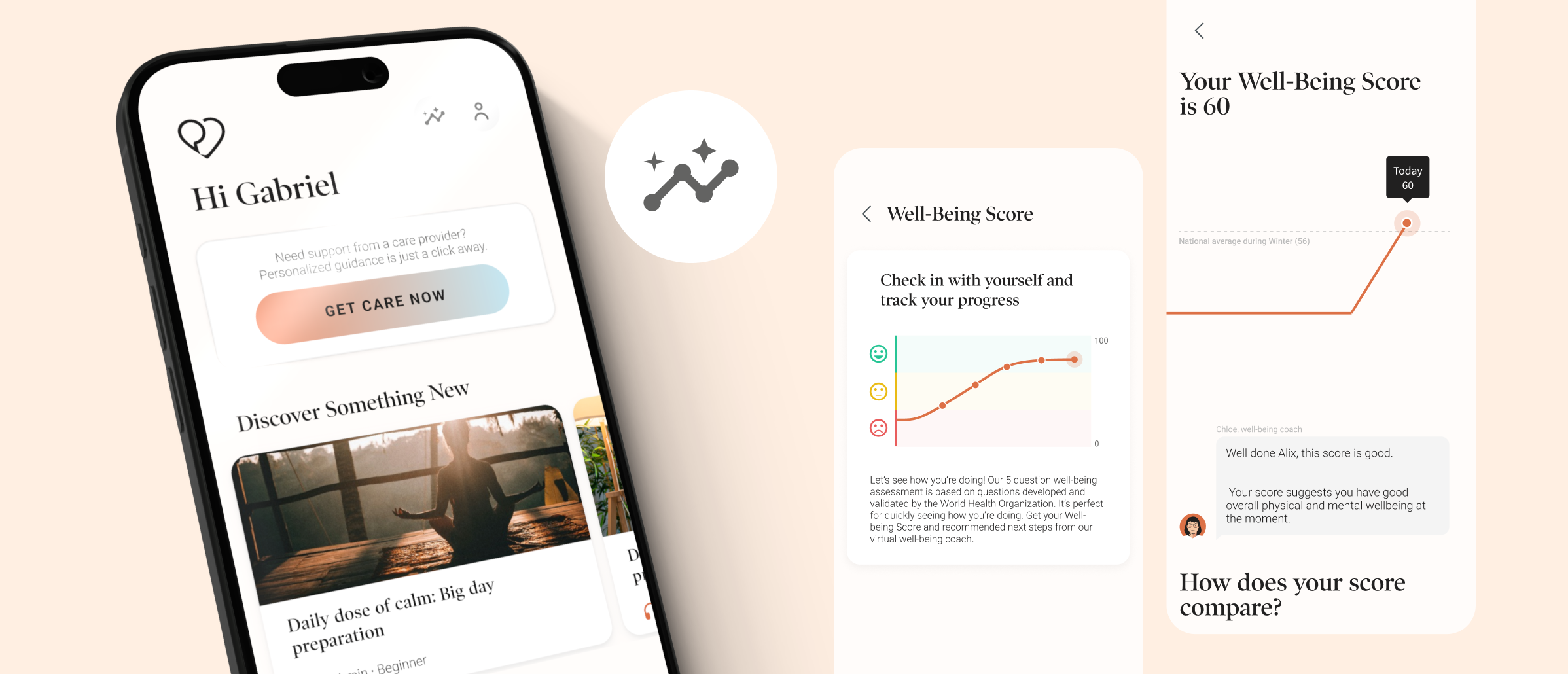
Tools like the PHQ-9 and GAD-7 questionnaires give objective data on depression and anxiety. The Well-Being Score in the Dialogue app also offers a simple, confidential five-question survey developed and validated by the World Health Organization to track changes in sleep, focus, and mood over time.
Encourage your teams to complete the Well-Being Score survey regularly, or send an anonymous check-in survey to get a pulse on team well-being. Reassure them that individual results are completely confidential, to drive uptake and trust. Where aggregate team insights are available, they can inform meaningful conversations about workload and support without surfacing individual data.
Supporting teams after intense work periods
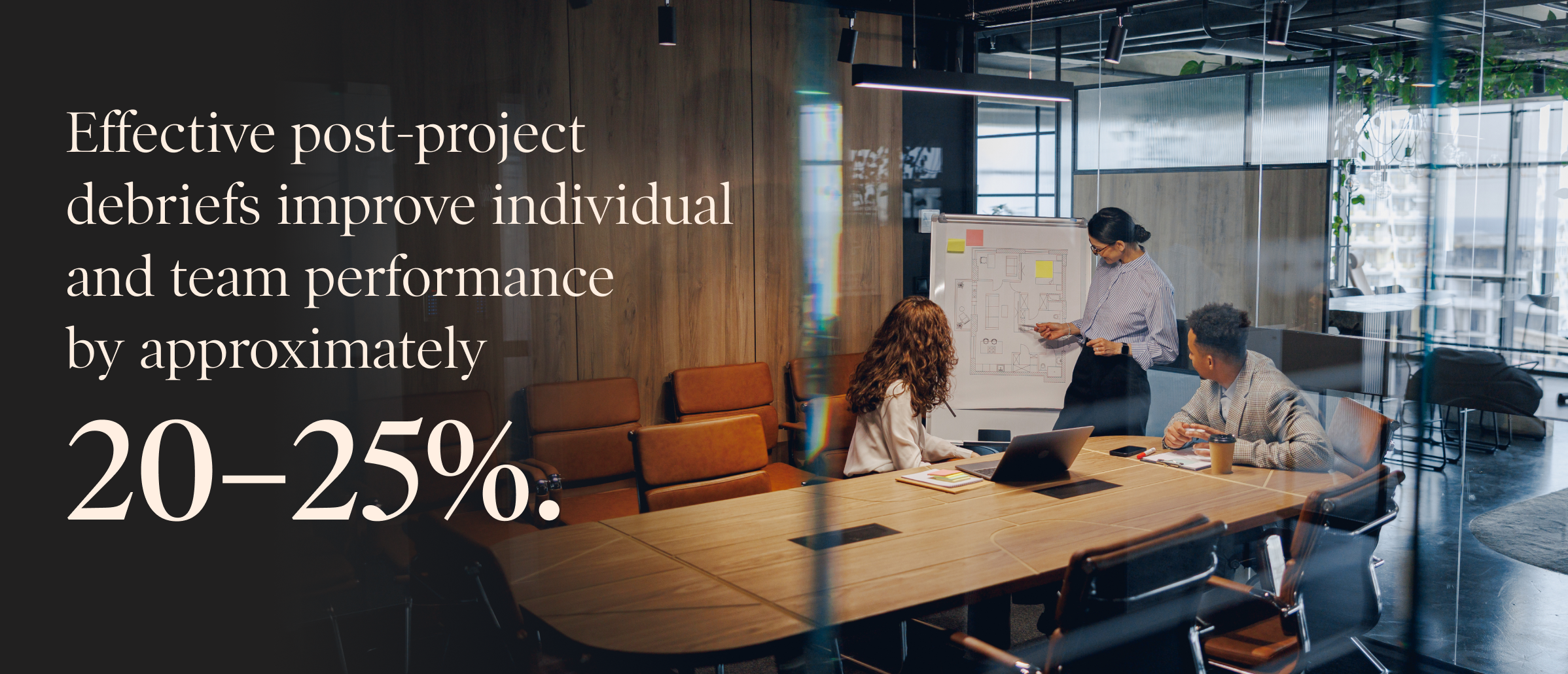
After a demanding project wraps up, teams often experience a post-achievement let-down: temporary fatigue, irritability, or low motivation. These are normal responses to sustained effort. Organizations that hold effective post-project debriefs improve individual and team performance by approximately 20–25%. A debrief that covers what worked, what was challenging (technically and emotionally), how the team supported each other, and what they’d do differently next time turns effort into insight and builds resilience for the next challenge.
FAQ on workplace burnout
What’s the difference between stress and workplace burnout?
Stress is typically short-term and situation-specific. Burnout is the result of chronic, unresolved stress. It involves deeper emotional exhaustion, disengagement, and a diminished sense of effectiveness that doesn’t lift when the immediate stressor is removed.
How long does recovery from employee burnout take?
Recovery timelines vary by severity. Mild burnout can improve within weeks with rest and reduced demands. More severe cases take considerably longer. Research shows roughly one in three individuals still experience burnout symptoms after 18 months.
Can managers prevent burnout without HR support?
Managers are the first line of defence, as research shows they have a direct influence on employee burnout. Nevertheless, sustainable prevention still requires organizational backing: adequate resourcing, mental health benefits, and cultural norms modelled from the top.
What role does a benefits program play?
A benefits program with fast access to quality mental health care is one of the most direct investments an organization can make. Proactive programs like Dialogue's Mental Health+ give employees whole-person care before issues escalate to leave of absence, delivering a 13x ROI for organizations.
Closing the gap on workplace burnout
Organizations can close the gap through honest communication, fair workloads, psychological safety, and accessible mental health care. By doing so, they aren’t only protecting their employees; they’re building the conditions for sustained performance, lower absenteeism, lower turnover, and a culture people want to be part of.
Dialogue's Mental Health+ program gives your members fast access to care from Canada's only accredited virtual care provider. The program offers them as many mental health appointments as they need until they feel like themselves again, through support from both mental and physical health professionals. It's the support your team needs before burnout takes hold.